

Blog
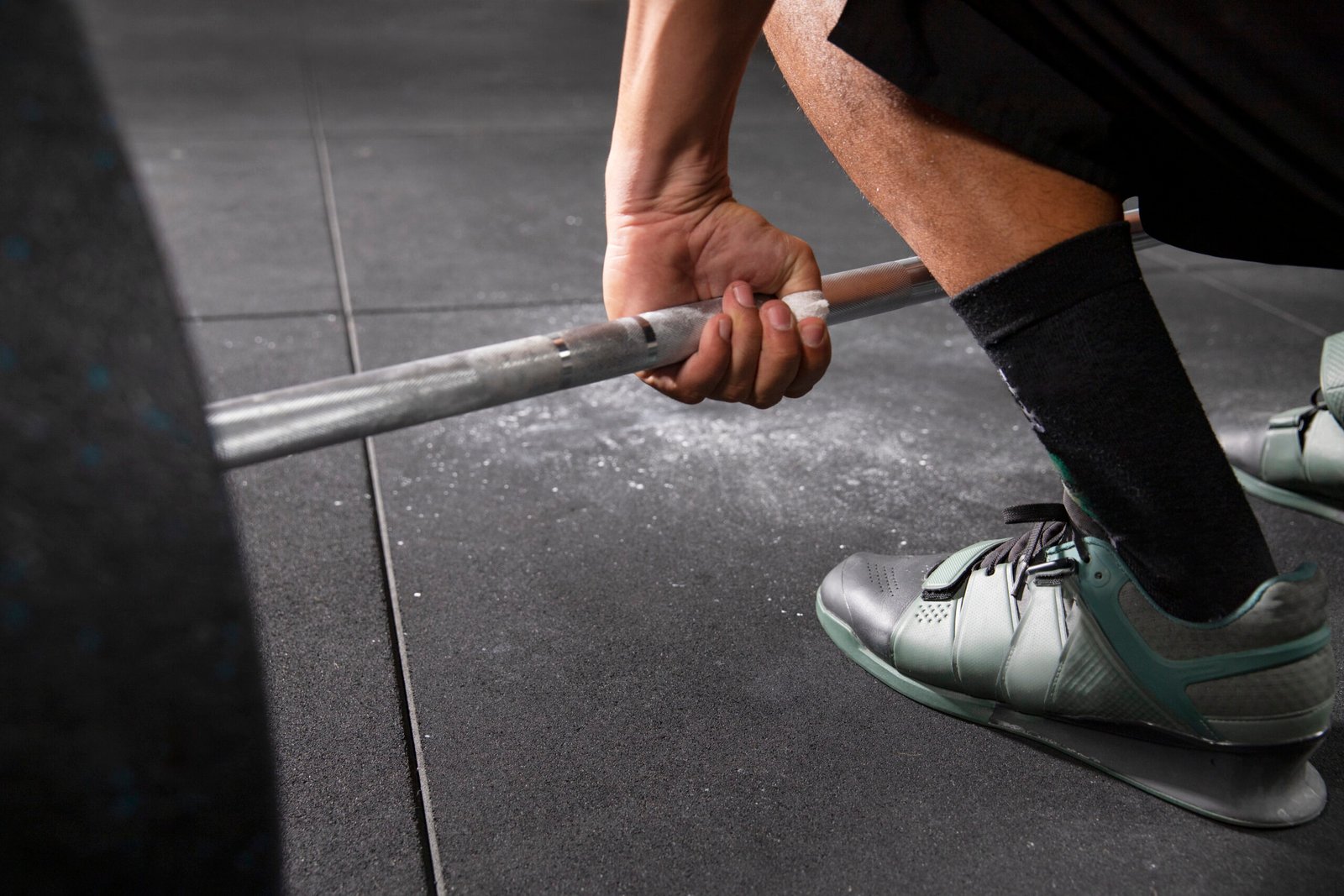
Weightlifting tape protect your hands from tearing

Introduction
Weightlifting is more than just moving heavy weights—it’s a discipline that requires technique, consistency, and protection. One of the most underrated tools in a lifter’s arsenal is weightlifting tape. Whether you’re a beginner in strength training or a seasoned CrossFit athlete, using the right tape can make a huge difference in your performance and injury prevention.
What Is Weightlifting Tape?
Weightlifting tape is a specialized adhesive tape used primarily to protect the hands, fingers, and wrists during training. Unlike regular athletic tape, it’s designed to stay in place even under sweaty, high-intensity conditions. It provides a strong grip and protects the skin from blisters, tears, and abrasions.
Benefits of Using Weightlifting Tape
1. Hand Protection
When performing high-rep movements like pull-ups, cleans, or snatches, your hands endure a lot of friction. Weightlifting tape creates a barrier between your skin and the bar, reducing the risk of painful tears and blisters.
2. Improved Grip
A secure grip is critical, especially during heavy lifts. Tape provides additional traction, helping you maintain control of the barbell or pull-up bar, even when your hands get sweaty.
3. Support for Wrists and Thumbs
Taping your thumbs during hook grip or wrists during overhead lifts offers added support and stability. This can help reduce strain and prevent minor injuries that can lead to long-term issues.
4. Confidence to Push Harder
Knowing your hands are protected allows you to focus on your performance without worrying about skin tears or losing grip—especially in competitions or tough training cycles.
Who Should Use Weightlifting Tape?
- CrossFit athletes performing high-rep bar work
- Olympic weightlifters relying on hook grip
- Powerlifters for added wrist support
- Functional fitness enthusiasts with frequent exposure to pull-up rigs, kettlebells, and barbells
- Beginner lifters who want to prevent early skin damage and discomfort
How to Use Weightlifting Tape
For Thumb Protection (Hook Grip):
- Start by wrapping the tape around the base of the thumb.
- Overlap the layers slightly as you wrap up towards the joint.
- Ensure it’s snug but not too tight to avoid cutting off circulation.
For Hand Rips (Palm or Fingers):
- Clean and dry the area before applying tape.
- Use pre-cut strips or custom lengths to cover the affected area.
- Wrap securely, and smooth out to avoid folds that may cause discomfort.
For Wrist Support:
- Start wrapping about an inch below the wrist joint.
- Circle the wrist 2-3 times, depending on the level of support desired.
- Avoid wrapping too tight to maintain flexibility and blood flow.
Choosing the Right Tape
When shopping for weightlifting tape, consider these features:
- Adhesion Strength: Should stick well, even when sweaty
- Flexibility: Allows for full range of motion
- Breathability: Keeps your skin cool and reduces irritation
- Easy Tear: No need for scissors at the gym
Look for trusted brands made specifically for functional fitness and barbell sports. At WodFuel, we offer high-quality weightlifting tape that’s been tested by athletes in the toughest WODs.
Internal Links
- Learn more about our Gymnastics CrossFit Grips
- Check out our WodFuel Shop for top-tier training gear
External Resources
Conclusion
If you’re serious about training, protecting your hands should be a priority. Weightlifting tape is a small investment that yields big returns in performance, safety, and longevity. Whether you’re training for your next PR or simply want to avoid painful rips, adding quality tape to your gym bag is a no-brainer.
Gear up with WodFuel and train like a pro—your hands will thank you!
In essence, the intersection of fitness and the gym represents a dynamic space where individuals embark on transformative journeys.
As the fitness and gym culture continues to evolve, it embraces diversity in workout approaches, including
Many fitness enthusiasts customize their routines to include a mix of activities that cater to their specific needs and preferences.